Author: justmong

  • Intraoral Camera: A Game Changer invention for Dentists

    Intraoral Camera: A Game Changer invention for Dentists

    Every once in a while an innovation to come irrevocably changes the game.

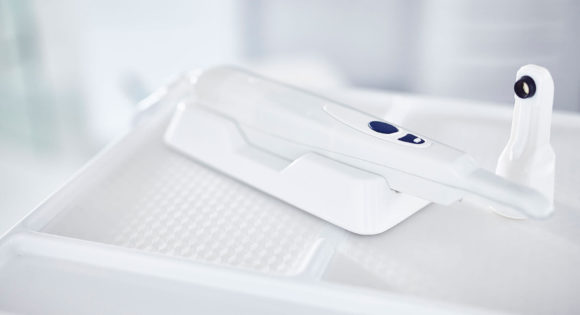
    For dentists one of the most important recent developments must be the intraoral camera. Two of the main reasons why it quickly replaces tooth mirror is on the one hand the magnification factor, and on the other the possibility to share the image with the patient about live videos on a TV or computer screen.

    The magnifying factor allows dentists to detect detail such as threshold cracks and caries much easier than before. What would be able to share pictures with their patients, the old proverb of a picture more than a thousand words of painting could no longer be suitable.

    The acceptance of patients of dental procedures has so far depended on the trust and communication between dentist and patient. For dentists, this is very difficult to achieve with just words, but now with live video and the ability to demonstrate the confidence factor will immediately progressive dental conditions.

    If patients clearly see the defects suggesting a dental treatment, they will take your recommendations without question. This massive thrust when adopted by the use of an intraoral camera is certainly the main reason for the popularity of these ubiquitous gadgets.

    You could probably find that any intraoral camera is better than none at all. but you should still evaluate your investment carefully. Some of the most important factors to consider when shopping for an intraoral camera are image quality, durability and compatibility.

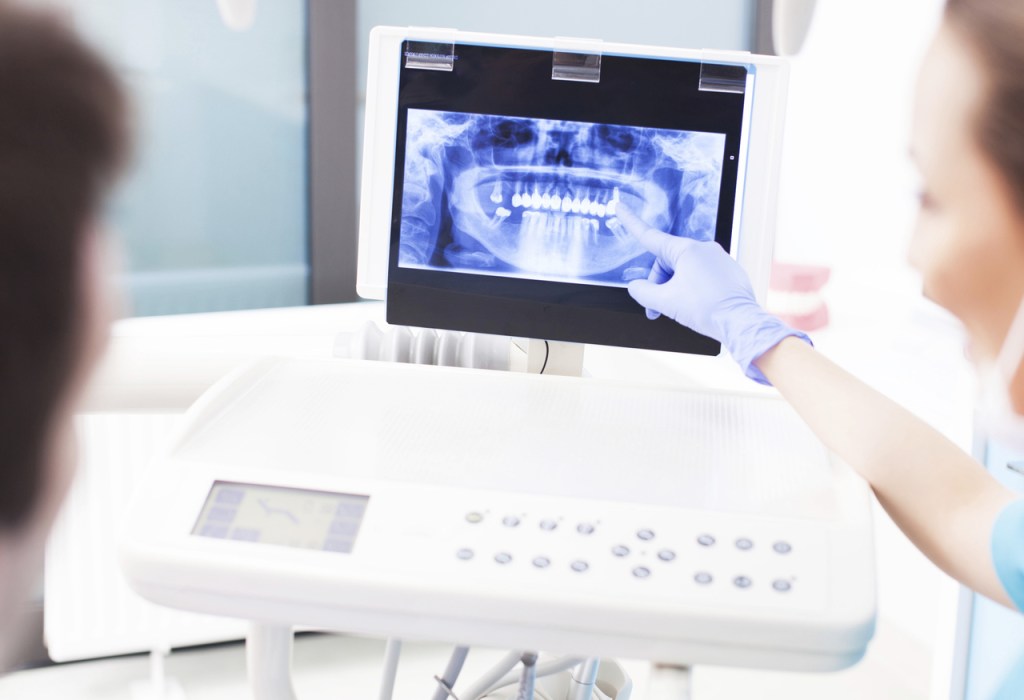
    Dental x-rays and panoramic x-rays are useful and effective diagnostic tools that allow the dentist to perform a complete oral examination. The intraoral camera is a small digital camera that allows high-resolution photography in the mouth. It provides accurate images of teeth and gums as well as the entire oral cavity. The recordings are reproduced on a screen for viewing and analyzing the actual situation of the patient.

    A precision high-tech tool

    The intra-oral digital camera is an effective technology. The images it produces provide accurate information that allows you to see the details with each shot.

    There are different models of intra-oral cameras, with wire or wireless. The wireless model allows a better mobility and the camera is therefore easier to use. It makes it possible to reach even the most inaccessible areas, those which are difficult to see with the help of the mirror.

    Some models are ultra sophisticated and can integrate with high-performance imaging software and high-resolution HD.

    The camera is equipped with an intuitive lighting system and does not require any manual adjustment by the practitioner.

    An effective solution to detect caries

    The dentist can scan the teeth with the camera and detect the presence of cavities, and even the onset of a decay that is not yet visible at the mouth inspection.

    As an option, some cameras are equipped with polarizing filters that eliminate unwanted reflections and give an image of perfect sharpness.

    The dentist can also detect the presence of tartar deposits hidden behind the teeth and check the condition of the gums in order to avoid gingivitis and periodontitis.

    The advantages of the intraoral camera are numerous:

    • Anticipation of problems thanks to the clear visualization of the dentition of the patient,
    • Prevention treatment set up with patient collaboration,
    • Monitoring and verification of the evolution of the patient’s oral health.
  • Early caries detection and caries risk assessment Detection devices

    Early caries detection and caries risk assessment Detection devices

    The oldest device used for detecting carious lesions, apart from the probe, is the X-ray machine. Radiography is reliable for detecting carious lesions in approximal tooth surfaces but considered unreliable in occlusal surfaces, particularly for diagnosing carious lesions in enamel and in the outer one third to one half of the dentine.

    Fibre-Optic Trans-Illumination (FOTI) appears to be a very reliable device for detecting carious lesions in approximal surfaces, particularly in anterior teeth. In contrast, an infrared laser fluorescence device (e.g. DIAGNOdent; Kavo GmbH, Bibberach, Germany) has been reported to be invalid in detecting carious lesions in occlusal surfaces because it not only detects organic carious tissues, and putatively, the porphyrins from bacterial metabolism, but also other organic material such as plaque, calculus, stain and food remnants.

    Its validity is further compromised by the presence of enamel hypomineralisation of origin other than that of dental caries. Similar disadvantages apply to quantitative light-induced fluorescence (QLF, Inspektor, Amsterdam, The Netherlands), which uses the fluorescence differences between sound and demineralised enamel to detect and quantify enamel carious lesions, although its reliability appears to be higher than that of the infrared laser fluorescence-based devices. A new system using light fluorescence technology (Sopralife, Acteon, Bordeaux, France) utilizes a different wavelength than QLF to detect carious lesions, in conjunction with a camera.

    Currently, the value of QLF systems for carious lesion detection in clinical practice seems to be limited. Other methods, such as electrical impedance (CarieScan PRO™, CarieScan Ltd, Dundee, Scotland) and photothermal radiometry (Canary System™, Quantum Dental Technologies, Toronto, Canada) have recently been developed. However more research is required before they can be advised.

    It appears that both X-ray and FOTI devices are suitable for use for carious lesion detection on approximal surfaces and that infrared laser fluorescence and light-induced fluorescence devices are not sufficiently reliable for assessing carious lesions in pits and fissures of occlusal surfaces. This also applies to the deciduous dentition, in which newer technology-based systems have not been found to be reliable for the accurate detection of carious lesions on approximal surfaces. Therefore, different techniques should be used for assessing carious lesions on occlusal and smooth tooth surfaces. One such technique employs visible-tactile methods.

    Want To read in detail Source: https://www.ncbi.nlm.nih.gov/pmc/articles/PMC3490231/

  • Optimal caries preventive measures

    Different measures have been proposed for preventing and arresting carious lesions. It is the task of the dental professional to select, based on evidence and on the patient’s profile, which preventive measure(s) is most appropriate for a specific clinical situation. In many cases, more than one preventive measure needs to be applied. The whole population approach and individual caries risk assessment are essential activities, alongside with the provision/usage of personalised preventive measure(s) that will ultimately determine the level of reduction of carious lesions in patients and populations.

    Dental caries is a preventable disease. Therefore the best strategy for managing the disease is to intervene before its signs and symptoms are clinically detected. Disturbance of the biofilm (dental plaque) by brushing teeth with a sufficiently-fluoridated toothpaste on a daily basis is an effective measure which contributes to the control of enamel carious lesion development. Even disturbing the biofilm from cavitated dentine lesions appears to arrest further progression of such lesions85. The effectiveness of different measures for preventing and/or arresting carious lesions for use in MID will be discussed below.

    Summary of carious control measurements and their evidence-based effectiveness

    • Diet counseling and sugar substitutes
    • Fluoridated agents
    • Chlorhexidine-containing agents
    • Silver diammine fluoride
    • Casein phosphopeptide-amorphous calcium phosphate agents
    • Ozone gas
    • Infiltration method


  • Minimal Intervention Dentistry: Managing Dental Caries

    Minimal Intervention Dentistry: Managing Dental Caries

    In the new thousand years, there is a consistently expanding scope of items accessible to help us with the administration of oral illnesses. We have all had those testing patients in whom the utilization of fluoride alone has not controlled their dental caries.

    Dental Imaging Device

    For these patients, the new gathering of nebulous calcium phosphate items are useful, particularly when joined with fluorides, spit substitutes, stimulants, and antimicrobials utilizing the reasoning of insignificant mediation dentistry.

    Consolidating Recaldent undefined calcium phosphate items can help battle caries in high-hazard patients.

    What is MID (Minimal Intervention Dentistry)?

    1.  MID utilizations a restorative model for oral ailment control and contains:
    2. Oral illness chance evaluation with early recognition and counteractive action, External and inside remineralisation treatment,
    3. Utilization of a scope of rebuilding efforts, dental materials, and gear
    4. Surgical intercession simply after infection is controlled.

    Fundamentally, MID is an instrument to enable us to comprehend and oversee oral infection with the goal that we increment the life span of our rebuilding efforts. For the administration of dental caries in MID, the appraisal and administration of a various gathering of patient-altering elements and essential variables is coordinated with an assessment of the plaque/biofilm interface and the resultant dynamic oral illness process.

    This publication describes the history of Minimal Intervention Dentistry (MID) for managing dental caries and presents evidence for various carious lesion detection devices, for preventive measures, for restorative and non-restorative therapies as well as for repairing rather than replacing defective restorations. It is a follow-up to the FDI World Dental Federation publication on MID, of 2000.

    The dental profession currently is faced with an enormous task of how to manage the high burden of consequences of the caries process amongst the world population. If it is to manage carious lesion development and its progression, it should move away from the ‘surgical’ care approach and fully embrace the MID approach. The chance for MID to be successful is thought to be increased tremendously if dental caries is not considered an infectious but instead a behavioural disease with a bacterial component.

    Controlling the two main carious lesion development related behaviours, i.e. intake and frequency of fermentable sugars, to not more than five times daily and removing/disturbing dental plaque from all tooth surfaces using an effective fluoridated toothpaste twice daily, are the ingredients for reducing the burden of dental caries in many communities in the world. FDI’s policy of reducing the need for restorative therapy by placing an even greater emphasis on caries prevention than is currently done, is therefore, worth pursuing.

    Rationale of the MID philosophy

    Without doubt, the many studies assessing the effect of water fluoridation on the progression of carious lesions have contributed greatly to the development of the MID philosophy. The one study that stands out in terms of importance is the Tiel-Culemborg study from the Netherlands. This study, like many others, showed that the fluoridation of water reduced the prevalence of cavitated dentine lesions by approximately 50%. It also showed that the main long-term action of fluoride is retarding the progression of a carious lesion, rather than prevention of its development. This outcome became evident as ample time was spent assessing not only cavitated dentine lesions, but also enamel carious lesions. The secondary study outcome was confirmed in later studies that researched the effectiveness of fluoride in varnishes, gels and mouth rinses. These data led to a change in the cariology paradigm: fluoride appears not to act pre-eruptively, as was thought, but mostly post-eruptively by changing the mineral saturation characteristics at the tooth surface.

    Another topic that was researched extensively in the 1960–80 period was dental plaque. The outcomes resulted in the wide acceptance of the fact that dental plaque or dental biofilm, as it is sometimes more correctly termed, should at least be disturbed or at best be removed from the tooth surfaces daily, if carious lesion development is to be minimised. In combination with fluoride toothpaste, plaque removal with a toothbrush has become a major cornerstone in managing carious lesion development for communities worldwide5.

    An important concept, that governed the development of MID, is the ‘Repeat Restoration Cycle’. Elderton and co-workers clearly demonstrated, on the basis of studying the survival of amalgam restorations, that ‘eliminating’ carious lesions in order to improve oral health, through restorative procedures based on the G.V. Black concept, does not keep teeth functional for life for all individuals. The concept reitterated that preventive or non-operative actions should go hand-in-hand with restorative care, and that assessment of carious lesion development and progression plays a vital part in the provision of adequate oral health care. The development of various adhesive materials and adhesive systems has contributed greatly to attaining the primary aim of MID. The ability to reduce the need for cutting away healthy tooth tissues when using adhesive materials, relative to the traditional restorative concepts, has led to smaller and less destructive cavity preparations and therefore, smaller restorations. Retaining sound tooth structure, and thus increasing the chance for maintaining its vitality and function, was further increased as a result of the work done by colleagues like Massler and Fusayama. They showed that only the ‘infected’ (‘outer carious’ or ‘decomposed’) dentine needed to be removed as part of the cavity preparation process, and that the ‘affected’ (‘inner carious’ or ‘demineralised’) dentine could remain. This demineralised dentine would remineralise under a well placed, well sealed and well maintained restoration.

    By early 1990, research had shown that managing dental carious lesions should depart from a traditional surgical approach and move to a ‘biological’ or ‘medical’ approach. The research pointed to a completely new approach to the management of the carious lesion. As far as we know, it was Mount who first cited the need for ‘Minimal Treatment’ of dental caries. Further elaboration of this new approach was published by Davis and Makinson, who first termed ‘Minimal Intervention Dentistry’ in the literature. The first International Association for Dental Research (IADR) symposium on minimal intervention techniques for dental caries was held in 1995 and was almost entirely devoted to the developments of one of the MID approaches, namely Atraumatic Restorative Treatment (ART)16.

    As mentioned earlier, the aim of MID is to keep teeth healthy and functional for life. A most important element is achieved through implementing the important strategies for keeping teeth free from carious lesions. These strategies are considered to be:

    a) early caries detection and risk assessment

    b) remineralisation of demineralised enamel and dentine

    c) optimal caries preventive measures

    d) minimally invasive operative interventions and

    e) repair rather than replacement of restorations. It is self-evident that MID does not equate to cutting smaller cavities than before, as many dentists thought.

    The first three MID aspects (early caries detection and caries risk assessment; remineralisation of demineralised enamel and dentine; optimal caries-preventive measures) should be employed throughout a person’s life and only when oral health maintenance has failed and a cavity has developed should a minimally invasive operative intervention be undertaken. The authors are aware that the implementation of the MID philosophy will vary in different countries for a number of reasons, which include: professional dental training, access to the internet and printed dental literature, availability and type of dental equipment and dental materials and oral health remuneration systems.

    The remainder of this paper will discuss in detail the five strategies that make up the MID philosophy using, as much as possible, evidence-based information available in the peer-reviewed literature.

    Some Important Point:

    • Early caries detection and caries risk assessment Detection devices
    • Visual-tactile methods
    • Caries risk assessment
    • ‘Whole-population’ approach and ‘risk-based’ strategy
    • Remineralisation of enamel and dentine carious lesions
    • Mechanisms of action of fluoride in enamel
    • Role of calcium and phosphate
    • Casein phosphopeptide-amorphous calcium phosphate complexes
    • Optimal caries preventive measures
    • Effectiveness of caries-preventive measures
    • Pits and fissure sealants
    • Minimally invasive operative approaches for managing cavitated dentine carious lesions
    • Appropriate excavation methods
    • Disinfecting excavated cavities
    • Restorative materials
    • Restorative therapy
    • When is repair or replacement required?
    • How successful are repaired restorations?
    • Integration of MID in the dental curriculum
    • Survey results on MID application in undergraduate curricula

    Want To read in detail Source: https://www.ncbi.nlm.nih.gov/pmc/articles/PMC3490231/

  • Home Remedies for Indigestion

    Home Remedies for Indigestion

    Indigestion, also known by the medical term dyspepsia.

    The term “indigestion” means different things to different people, and the territory of troubles it covers is huge.

    Remedies for Indigestion

    Just to clear up any confusion, indigestion and heartburn are two different problems. Heartburn produces a painful or burning sensation in the center of your chest, due to acid spilling upward into your esophagus.

    Indigestion happens further south: It produces bloating, a feeling of uncomfortable fullness during or after a meal, or pain or burning concentrated in the upper abdomen.

    Some symptoms of indigestion are bloating, gas, growling stomach, abdominal pain, burning sensation in the upper abdomen, acidic taste and vomiting.

    1. Make a four-seed chew

    2. Order up some mint or chamomile

    3. Sip this before eating

    4. Soda to the rescue

    5. Nibble on candy

    6. Have half a bitter beer

    For More Info…

    Source: https://www.rd.com/health/wellness/6-kitchen-cabinet-cures-for-indigestion/

  • Choose The Right Dentist For Your Children

    Regular dental check up for your children is very important. But tears roll down a child’s eye as soon as you mention the word dentist. This is because for them dentist is synonymous with pain. But that does not mean that you should bow down to their emotional tantrums because regular dental check up for kids is a must. Here are some tips for choosing a dentist for your child.

    1. Opting for a paediatric dentist:

    When your child is down with fever, you take him or her to a paediatrician and not to a general physician. Similarly, when it comes to your child’s dental health you must opt for a paediatric dentist. This person has specialised training in dentistry for children.

    1. Selecting the right paediatric dentist:

    Your child must get the best so check online for all the paediatric dentist in your locality. You should also check with other parents for recommendations. Based on the online reviews and the general feedback from other parents, shortlist one that is the best.

    1. The overall set up:

    Once you have made a list of the dentist try to visit their clinics before you take your child there. Check if the waiting area has a surrounding which will attract the children. Observe how the staff is treating other children. Observe if the staff has a friendly attitude or they are least bothered about the tiny patients or they are having an indifferent attitude. Remember that all this will have an impact on your child’s mind.

    1. Check the credentials of the dentist:

    Checking the credentials is important. A dentist may claim that he can handle paediatric patients. But you must confirm that he has the right qualifications and the right training. A person who is trained in this will have the skills to treat children and also handle oral issues like oral hygiene, thumb sucking or brushing of teeth etc. Select the one who has the right training and the right qualifications.

    1. The cost factor:

    Dental check ups and dental treatments can be expensive. So it is important that you check if the clinic has any special packages for children. See who is offering discounts and then based on your budget you can opt for the dentist for your child.

    1. The clinic must have state of the art facilities:

    While selecting a dentist it is also important that the clinic has state of the art facilities and all the modern equipments. It is also important that the clinic has high levels of hygiene. There must be no compromise when it comes to cleanliness as you do not want your child to get any infections.

    1. The visit has to be fun:

    Your child must enjoy his visit to the dental clinic. This possible only if the doctor and the staff make dental check up a fun activity. They should be in a position to convince these tiny tots that they are their friendly dentist and there is nothing to get sacred.

    Your child surely needs to get the best. Even when it comes to dentist make sure that you select the one which is not just cost effective but one who has the best qualifications. Your child’s dentist must be able to convince your child that going to the dentist(Dentist in ipswich) is the best thing.

    Source: https://storify.com/georgebureau/how-to-choose-a-dentist-for-your-child
  • Alkaline Water Health Benefits

    Alkaline Water Health Benefits

    Alkaline water is a type of ionized water that acts as a potent and natural antioxidant, with the ability to help the body to eliminate the acidic wastes produced by the natural process of digestion.

    This type of water has a negative OPR, which is a very powerful antioxidant that thanks to the production of hydroxyl ions, favor the production of oxygen, helping to combat free radicals, correcting in turn the acid / alkaline balance of the body, Regenerating the cells and fighting different signs of aging.

    What is Alkaline water or Kangen water?

    Kangen Water is a therapeutic water which, because of its medicinal effects, is recognized by the Ministry of Health and Prevention of Japan.

    In the 1950s the scientific community began to wonder what characteristics the so-called “miraculous waters” had in common such as the water of Lourdes in France or the temple of El Gurdwara Bangla Sahib, in the city of Delhi (India), among others, and They came to the conclusion that they all had a lot of active hydrogen, which we know as “alkaline water.”

    Drinking alkaline water promotes the elimination of toxins and prevents them from re-accumulating, in this way is responsible for the disposal of waste from our body and prevents different diseases.

    It is recommended for cases of chronic diarrhea, for indigestion, diseases of the stomach and intestine and constipation. In addition, it favors the digestion of food, neutralizes gastric hyperacidity, the origin of gastritis and gastroduodenal ulcers.

    • It prevents illnesses

    Alkaline water consumption can prevent diseases such as diabetes, bronchial asthma, dermatitis, hepatitis, chronic rheumatoid arthritis, high cholesterol, Meniere’s syndrome, insomnia, obesity, back pain, neuralgia, hemorrhoids, dysentery Chronic, among others.

    • Prevents premature aging

    The accumulation of toxins in our body makes the cellular regeneration slow, which in turn causes premature aging. Alkaline water by promoting the elimination of these toxins and wastes, promotes good oxygenation of the cells and prevents aging. It also fights free radicals, which cause disease and premature aging.

    • Fights retention of liquids

    Drinking alkaline water frequently helps us to purify our body by doing an effective detoxification to eliminate all acidic waste, debris and toxins that affect our body’s health and causes problems like fluid retention. By promoting a pH balance in our body, the cells will not have the need to retain fluids to fight against acidosis and will start the metabolism.

    • Prevents osteoporosis

    Drinking alkaline mineral water promotes the elimination of solid waste like uric acid and nephroliths through the urine, helping to prevent problems such as osteoporosis, since its action allows to release the calcium that was trapped in said waste, giving back the pH Alkaline to our blood.

    Some Things You Should Know About (Article Source) Alkaline Water

    1. What is pH?

    It is the unit with which we measure the acidity or neutrality of any liquid. When a liquid has pH less than 7 it is acidic. Liquids having a pH equal to or greater than 7 are alkaline and pure water is too close to this number.

    1. How much alkaline water can I consume?

    Since it is a totally natural product, there is no problem in consuming the two liters of water we need if it is alkaline. This is very good if you have deficiencies of calcium and magnesium because alkaline water has the correct measure of these minerals.

  • Protein Rich Food Sources

    Protein can help you shed those unwanted pounds and keep your belly full. But it’s important to eat the right amount and the right kind of protein to get its health benefits.

    Going on a high-protein diet may help you tame your hunger, which could help you lose weight.

    You can try it by adding some extra protein to your meals. Give yourself a week, boosting protein gradually.

    Remember, calories still count. You’ll want to make good choices when you pick your protein.

    Note: If you plan to add a lot of protein to your diet, or if you have liver or kidney disease, check with your doctor first.

    • Eggs
    • Almonds
    • Chicken Breast
    • Oats
    • Cottage Cheese
    • Greek Yogurt
    • Milk
    • Broccoli
    • Lean Beef
    • Tuna
    • Quinoa
    • Protein Supplements
    • Lentils
    • Ezekiel Bread
    • Pumpkin Seeds
    • Turkey Breast
    • Fish (All Types)
    • Shrimp
    • Brussels Sprouts
    • Peanuts

     1. Eggs: Whole eggs are among the healthiest and most nutritious foods on the planet.

    Protein content: 35% of calories in a whole egg. 1 large egg contains 6 grams of protein, with 78 calories.

    2. Almonds: Almonds are a popular type of tree nut.

    Protein content: 13% of calories. 6 grams per 1 ounce (28 g) serving, with 161 calories.

    Other High-Protein Nuts

    Pistachios (13% of calories) and cashews (11% of calories).

    3. Chicken Breast: If you eat it without the skin, the majority of the calories in it come from protein.

    Protein content: 80% of calories. 1 roasted chicken breast without skin contains 53 grams, with only 284 calories.

    4. Oats: They are loaded with healthy fibers, magnesium, manganese, thiamin (vitamin B1) and several other nutrients.

    Protein content: 15% of calories. Half a cup of raw oats contains 13 grams, with 303 calories.

    5. Cottage Cheese: It is loaded with calcium, phosphorus, selenium, vitamin B12, riboflavin (vitamin B2) and various other nutrients.

    Protein content: 59% of calories. A cup (226 g) of cottage cheese with 2% fat contains 27 grams of protein, with 194 calories.

    6. Greek Yogurt: It tastes delicious, has a creamy texture, and is high in many nutrients.

    Protein content: Non-fat greek yogurt has protein at 48% of calories. One 170 gram (6 ounce) container has 17 grams of protein, with only 100 calories.

    7. Milk: Milk is highly nutritious, but the problem is that a huge percentage of the world’s adults are intolerant to it.

    Protein content: 21% of calories. 1 cup of whole milk contains 8 grams of protein, with 149 calories.

    8. Broccoli: Broccoli is an incredibly healthy vegetable, loaded with vitamin C, vitamin K, fiber and potassium.

    Protein content: 20% of calories. 1 cup of chopped broccoli (96 grams) contains 3 grams of protein, with only 31 calories.

    9. Lean Beef: It is loaded with highly bioavailable iron, vitamin B12 and numerous other nutrients.

    Protein content: 53% of calories. One 3 ounce (85 g) serving of cooked beef with 10% fat contains 22 grams of protein, with 184 calories.

    10. Tuna: It is low in both fat and calories, so what we’re left with is mostly just protein.

    Protein content: 94% of calories, in tuna canned in water. A cup (154) contains 39 grams of protein, with only 179 calories.

    11. Quinoa: It is high in many vitamins, minerals and fiber, and is loaded with antioxidants.

    Protein content: 15% of calories. One cup (185 g) of cooked quinoa contains 8 grams, with 222 calories.

    12. Protein Supplements: Whey is a type of high-quality protein from dairy foods, shown to be very effective at building muscle mass, and may help with weight loss.

    Protein content: Varies between brands, can go over 90% of calories, with 20-50 grams of protein per serving.

    13. Lentils: Lentils are among the world’s best sources of plant-based protein, and are an excellent food for vegetarians.

    Protein content: 27% of calories. 1 cup (198 g) of boiled lentils contains 18 grams, with 230 calories.

    14. Ezekiel Bread: Compared to most breads, ezekiel bread is very high in protein, fiber and various nutrients.

    Protein content: 20% of calories. 1 slice contains 4 grams, with 80 calories.

    15. Pumpkin Seeds: They are incredibly high in many nutrients, including iron, magnesium and zinc.

    Protein content: 14% of calories. 1 ounce (28 g) contains 5 grams of protein, with 125 calories.

    16. Turkey Breast: It consists mostly of protein, with very little fat and calories. It also tastes delicious.

    Protein content: 70% of calories. One 3 ounce (85 g) serving contains 24 grams, with 146 calories.

    17. Fish (All Types): It is loaded with various important nutrients, and tends to be very high in heart-healthy omega-3 fatty acids.

    Protein content: Highly variable. Salmon is 46% protein, with 19 grams per 3 ounce (85 g) serving, with 175 calories.

    18. Shrimp: Like fish, shrimp also contains plenty of omega-3 fatty acids.

    Protein content: 90% of calories. A 3 ounce (85 g) serving contains 18 grams, with only 84 calories.

    19. Brussels Sprouts: It is very high in fiber, vitamin C and other nutrients.

    Protein content: 17% of calories. Half a cup (78 g) contains 2 grams of protein, with 28 calories.

    20. Peanuts: They are high in protein, fiber, magnesium and many studies show that they can help you lose weight.

    Protein content: 16% of calories. One ounce (28 g) contains 7 grams, with 159 calories.

    read full article: 
    
    http://www.webmd.com/fitness-exercise/guide/good-protein-sources
    
    https://authoritynutrition.com/20-delicious-high-protein-foods/


  • Health Benefits Of Papaya

    Health Benefits Of Papaya

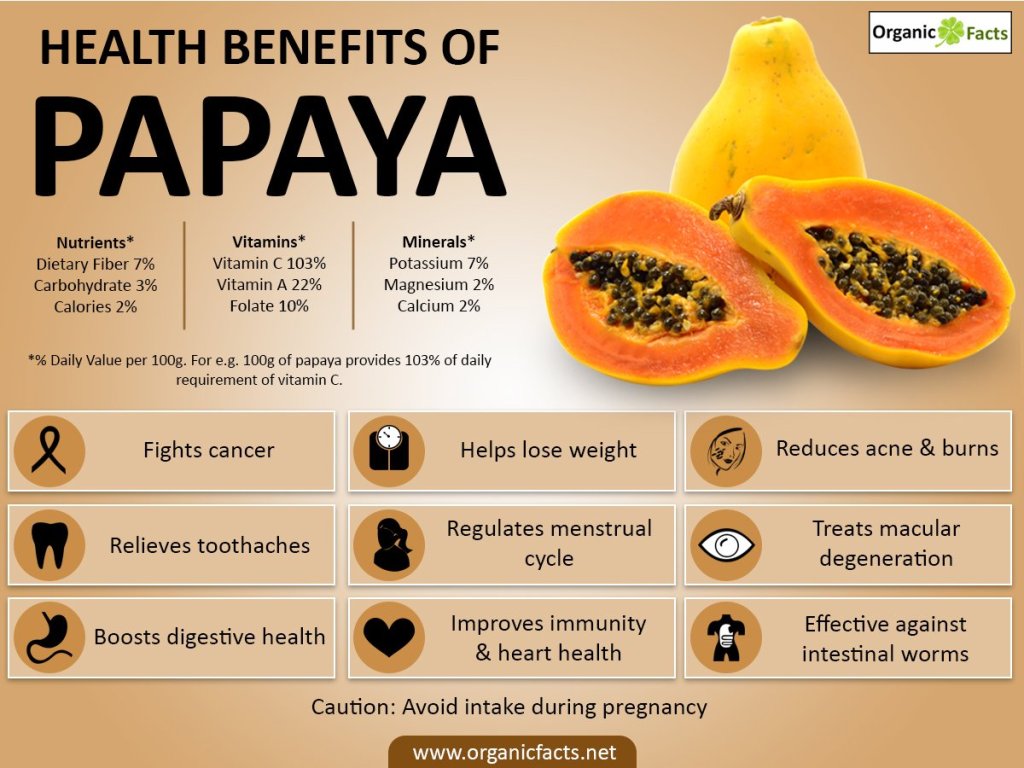
    Natural products like papaya massively advantage your body. Papaya is a characteristic wellspring of vitamins and minerals that are fundamental for the typical working of the body. It is popular for the delectable taste and sunlit shade of the tropics and has numerous medical advantages.

    The entire natural product, including different parts of the papaya tree, are useful to wellbeing in a few ways. A compound called papain is available in the organic product which helps in the absorption of proteins. Papaya in crude frame contains this chemical, which is utilized as a part of the arrangement of dietary supplements and biting gums.

    For Better Digestive Health: Papayas are usually used to help absorption. The nearness of papain, a stomach related super chemical, enhances absorption by separating proteins and furthermore washes down the stomach related tract. This guarantees a lessened change of protein into muscle to fat quotients. On the off chance that the protein in our eating routine is not processed appropriately, it might bring about joint inflammation, clogging, diabetes, hypertension and other related wellbeing conditions.

    For Weight reduction: Papayas are likewise useful for individuals who are attempting to get more fit actually. Having a bowl loaded with papaya as a mid-night or mid-morning nibble is useful for wellbeing.

    For Anticipates Infections: Papayas are viable for executing intestinal worms, along these lines maintaining a strategic distance from diseases and confusions related with them.

    Alleviation from Toothaches: A glue of crisp papaya roots can be kneaded onto the teeth and gums to give help from toothaches. The bark of the tree, fundamentally the inward bark, is additionally an amazing cure.

    Anticancer Properties: Researchers have found that papayas are compelling against bosom, pancreatic and different tumors. A papaya leaf extricate acquired from dried leaves created hostile to cancer-causing impacts against tumor cells that were developed in the research center.

    For Healthy skin: Papayas can be extraordinary renewing operators, which is the reason they are utilized as a part of numerous beautifying agents. Likewise, papayas are utilized as a part of custom made face covers by numerous ladies. Papain slaughters dead cells and purges the skin. The advantageous properties and the recuperating chemicals show in papayas help treat sunburn and chafed skin.

    Enhanced Heart Health: The seeds of papayas are useful for a sound heart. Having three intense cell reinforcement vitamins, to be specific vitamin A, vitamin C and vitamin E, implies that papayas are useful in anticipating issues, for example, atherosclerosis and diabetic coronary illness. The nearness of genius carotenoid phytonutrients anticipates oxidization of the cholesterol in the body.

    Diminish Acne and Burns: The latex got from papayas is utilized to treat the ranges on the skin influenced with skin inflammation. The plump side of the papaya skin can be utilized as a veil to cure skin inflammation. An eating routine which incorporates papayas will cure the conditions inside, making the skin clear. Likewise, when the latex is connected on the consumed region, it helps in lessening the imprints brought on because of the consume.

    Mitigating Effects: The chemicals exhibit in papayas, particularly the papain and chymopapain, decrease the aggravation in various parts of the body.

    – Some Side Effects of Papayas –

    Papaya is Harmful For Pregnant Women: Papaya is named being destructive amid pregnancy. It is considered as a “hot” organic product. Latex, exhibit in high fixations in crude and semi-ready papayas, causes uterine constrictions which may prompt premature births. Abstain from eating crude papaya in the event that you are pregnant.

    Gastrointestinal Irritation: Consuming huge amounts of papaya can bring about a capable purgative impact in the digestion tracts. Abstain from eating huge amounts of papaya, particularly in the event that it is in its crude frame. Unripe or crude natural product can bring about torment in the digestive organs or stomach, and can some of the time cause esophageal holes.

    Seeds: The dark seeds of the papaya contain hints of a catalyst called carpine, which is a conceivably dangerous substance. As indicated by the International BioPark Foundation’s data about Medicinal Plants of the Peruvian Amazon, this chemical can make the operational hubs numb, which could prompt loss of motion or cardiovascular sadness. Now and again, the narrowing of veins is additionally observed, which is the created because of Carpine or carparine.

    – Quick Tips to Enjoy Papayas: –

    •  Pieces of papaya, when splashed with a touch of lemon squeeze and nectar, is a flat out treat for the taste buds.
    •  Blend papayas, strawberries and yogurt for a chilly soup treat.
    •  Add a cut of papaya to new organic product plate of mixed greens and have it as a nibble.
    •  Have a bowl of crisp ready papaya alongside your breakfast to include calories that you require for the day.

    The medical advantages of papaya incorporate better assimilation, alleviation from toothache, change in the safe framework and the advancement of better heart wellbeing. Papaya is likewise accepted to avert tumor. Papaya, otherwise called Carica Papaya, is industrially well known for its high nutritive and therapeutic esteem.

    Read Full Article: https://www.organicfacts.net/health-benefits/fruit/health-benefits-of-papaya.html

Design a site like this with WordPress.com
Get started