Category: Skin Care

  • The Benefits of Microneedling: Why It’s a Must-Try for Skin Rejuvenation

    The Benefits of Microneedling: Why It’s a Must-Try for Skin Rejuvenation

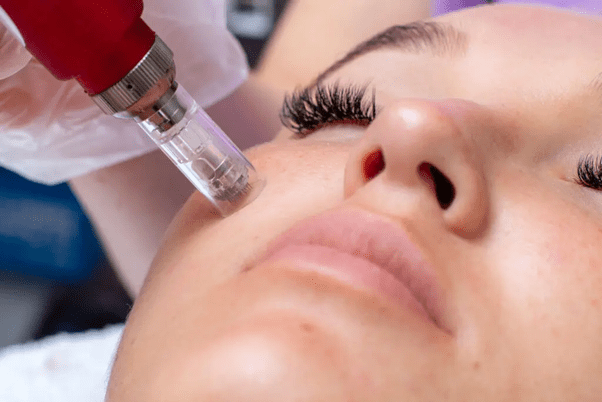
    Microneedling, also known as collagen induction therapy, is a minimally invasive cosmetic procedure that involves the use of fine needles to create micro-injuries in the skin. This process stimulates the body’s natural wound healing response, leading to the production of collagen and elastin, which are essential for maintaining youthful, healthy skin.

    Below are some of the key benefits of microneedling that make it a popular choice for skin rejuvenation.

    1. Improves Skin Texture and Tone

    Microneedling is particularly effective in improving the overall texture and tone of the skin. The treatment helps reduce the appearance of fine lines, wrinkles, and enlarged pores, resulting in a smoother complexion. The collagen produced during the healing process fills in fine lines and scars, giving the skin a plumper and more youthful appearancees Scars and Stretch Marks**

    One of the most significant benefits of microneedling is its ability to diminish the appearance of scars, including acne scars and stretch marks. The micro-injuries created during the procedure trigger a natural healing process, which leads to the remodeling of scar tissue. Many patients notice a considerable improvement in the texture and visibility of scars after a series of treatments .

    3. Enhtion

    Microneedling can significantly enhance the absorption of topical skincare products. The tiny channels created by the needles allow for better penetration of serums, moisturizers, and other treatments, making them more effective. This means that patients can maximize the benefits of their skincare routines by using targeted products immediately after their microneedling session .

    4. **Safe for All Skin Typser treatments, microneedling is safe for all skin types and tones. It has a low risk of pigmentation changes, making it an excellent option for individuals with darker skin tones, who may be more susceptible to hyperpigmentation from other treatments .

    5. Minimal Downtime

    One of the advantagis the minimal downtime required after the procedure. While some redness and swelling can occur, similar to a mild sunburn, most patients can return to their normal activities within a day or two. This makes it a convenient option for those seeking skin rejuvenation without lengthy recovery times .

    6. Stimulates Hair Growth

    Microneedling isn’t limited to t can also be used on the scalp to stimulate hair growth. The micro-injuries encourage blood flow to the hair follicles and can improve the effectiveness of hair growth products, making it a popular choice for individuals dealing with thinning hair or alopecia .

    Conclusion:

    Microneedling offers a multitude of benefits that make it an attract looking to rejuvenate their skin. From improving texture and tone to reducing scars and enhancing product absorption, this treatment can help achieve a more youthful appearance with minimal downtime. If you’re considering microneedling, consult with a licensed professional to discuss your specific skin concerns and goals.

    For further reading, you can explore resources such as the American Academy of Dermatology here and Healthline’s detailed guide on microneedling here.


    References

    1. American Academy of Dermatology. (n.d.). “Microneedling: What to Expect.”
    2. Healthline. (n.d.). “What Is Microneedling? Benefits and Risks.”
    3. Dermstore. (n.d.). “Microneedling: Benefits, Cost, and More.”
    4. Verywell Health. (n.d.). “Microneedling: An Overview.”
  • At-Home Microneedling vs. Professional Microneedling: What You Need to Know

    At-Home Microneedling vs. Professional Microneedling: What You Need to Know

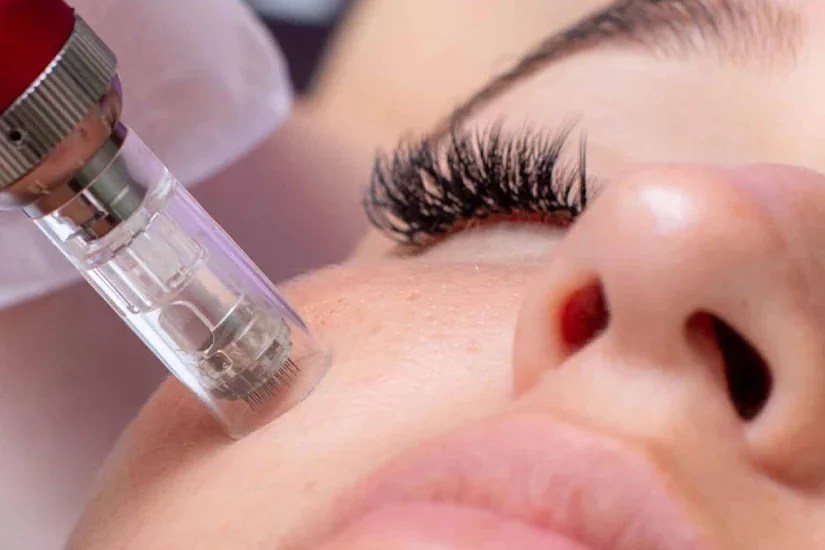
    Microneedling has gained immense popularity in recent years as an effective treatment for skin rejuvenation, acne scars, wrinkles, and even hair loss. The procedure uses tiny needles to create micro-injuries in the skin, stimulating collagen and elastin production, which promotes healing and a youthful appearance. With the rise of at-home microneedling devices, many are wondering whether they should stick with professional treatments or try DIY microneedling at home.

    In this blog, we’ll explore the key differences between at-home microneedling and professional microneedling, the benefits and risks of each, and what you need to know before choosing the best option for your skincare routine.


    What is Microneedling?

    Microneedling, also known as collagen induction therapy (CIT), is a minimally invasive treatment designed to improve the appearance of the skin by triggering its natural healing process. This is achieved by rolling or stamping tiny needles into the skin to create controlled micro-injuries. These small punctures stimulate collagen and elastin production, which helps in healing scars, reducing fine lines, improving skin texture, and promoting a radiant glow.

    While the basic principle remains the same, there are significant differences between professional microneedling treatments and at-home devices.


    Professional Microneedling: Why It’s More Effective

    Professional microneedling is performed by licensed dermatologists, estheticians, or cosmetic surgeons who have extensive training and use high-grade, FDA-approved microneedling devices. Here’s why professional microneedling is often more effective:

    1. Depth of Needle Penetration

    • Professional Microneedling: The needles used in professional treatments are longer, usually between 0.5 mm to 3 mm in depth. This allows them to penetrate deeper layers of the skin, which leads to more significant collagen production and better results, especially for issues like deep acne scars and wrinkles.
    • At-Home Microneedling: Most at-home devices are designed with shorter needles, typically no longer than 0.5 mm. This means they can only penetrate the surface layers of the skin (the epidermis), which limits their effectiveness in addressing deeper skin concerns.

    2. Customization and Expertise

    • Professional Microneedling: Licensed professionals can customize the treatment based on your specific skin type, concerns, and goals. They are trained to adjust the depth of the needles, the pressure applied, and the frequency of the treatments for optimal results. Additionally, professional treatments often combine microneedling with other therapies like PRP (Platelet-Rich Plasma) or serums for enhanced results.
    • At-Home Microneedling: At-home devices are not customizable. They are generally one-size-fits-all, which means you may not get the targeted treatment your skin needs. Moreover, without the expertise of a professional, there’s a higher risk of incorrect application, which could lead to poor results or even skin damage.

    3. Use of Professional-Grade Devices

    • Professional Microneedling: Clinics and spas use high-quality, FDA-cleared devices with advanced technology that ensures the needles are sharp, precise, and sterile. This minimizes the risk of infection and ensures maximum effectiveness.
    • At-Home Microneedling: At-home rollers and devices are often lower quality, with needles that can become dull or uneven with repeated use. Dull needles can tear the skin rather than creating clean punctures, leading to irritation, infection, or poor results.

    4. Safety and Sterilization

    • Professional Microneedling: Licensed professionals adhere to strict hygiene and safety protocols, using sterile tools and ensuring a clean environment. This drastically reduces the risk of infection and complications.
    • At-Home Microneedling: Maintaining proper sanitation at home can be challenging. If the microneedling device isn’t thoroughly cleaned after each use, bacteria can accumulate, which increases the risk of infections and breakouts.

    5. Results and Effectiveness

    • Professional Microneedling: Because professionals can reach deeper layers of the skin, the results are often more noticeable and long-lasting. Professional treatments are ideal for addressing deep wrinkles, severe acne scars, stretch marks, and more.
    • At-Home Microneedling: At-home devices are more suitable for maintaining skin health, improving surface-level texture, and enhancing the absorption of skincare products. However, they are not as effective for deeper issues like significant scarring or wrinkles.

    At-Home Microneedling: Convenience with Caution

    While professional microneedling offers numerous advantages, at-home microneedling has its place, particularly for those looking for more affordable and convenient options. However, it’s important to be aware of the limitations and risks.

    1. Suitable for Surface-Level Issues

    • What It’s Good For: At-home microneedling is best suited for improving the skin’s texture, minor hyperpigmentation, and enhancing product absorption. When done correctly and with a high-quality device, it can also help improve skin tone and overall radiance.
    • Limitations: At-home microneedling is not ideal for treating deep scars, severe acne, or pronounced signs of aging. The shorter needle length means it cannot penetrate deeply enough to significantly boost collagen production in the dermis.

    2. Frequency of Use

    • At-Home Frequency: Due to the shorter needle length, at-home microneedling can be done more frequently than professional treatments. However, it’s essential not to overdo it, as too-frequent use can cause irritation, inflammation, and skin damage.
    • Professional Treatments: Professional microneedling sessions are typically spaced 4-6 weeks apart, allowing the skin enough time to heal and regenerate between sessions.

    3. Potential Risks

    • At-Home Risks: Without proper knowledge or technique, at-home microneedling can lead to infections, skin irritation, hyperpigmentation, or damage, particularly if the device isn’t sanitized properly or if the needles are dull.
    • Safety Precautions: Always follow instructions carefully, ensure your device is sterile, and avoid sensitive areas like the eye area.

    Choosing Between At-Home and Professional Microneedling

    So, which option is right for you? It depends on your skincare goals and concerns.

    • Opt for Professional Microneedling if:
      • You’re looking to treat deep acne scars, wrinkles, or stretch marks.
      • You want customized treatments that address specific skin concerns.
      • You prefer a safer, more controlled environment with expert oversight.
    • Consider At-Home Microneedling if:
      • You’re looking for a more affordable and convenient way to maintain your skin.
      • You’re targeting surface-level concerns like texture or minor pigmentation.
      • You’re already familiar with proper microneedling techniques and aftercare.

    Final Thoughts

    Both at-home and professional microneedling have their benefits, but it’s important to weigh the risks and rewards before deciding. While at-home devices are more convenient and affordable, professional treatments deliver more significant and longer-lasting results, especially for more serious skin concerns.

    If you’re unsure, it’s always a good idea to consult with a skincare professional who can guide you on the best treatment for your skin type and goals.

    Looking for professional microneedling services in Redondo Beach? Contact Essence Beauty Spa. Our experienced team provides expert microneedling treatments tailored to your unique skin needs, helping you achieve glowing, youthful skin safely and effectively.

  • Understanding Seasonal Lash Shedding: Causes, Solutions, and Prevention

    Understanding Seasonal Lash Shedding: Causes, Solutions, and Prevention

    Seasonal lash shedding is a common concern that many people experience, especially during certain times of the year. This comprehensive guide will help you understand the causes of seasonal lash shedding, provide solutions, and offer tips on how to prevent it.

    What is Seasonal Lash Shedding?

    Seasonal lash shedding refers to the natural process where eyelashes fall out more frequently during certain seasons, particularly in the fall and spring. Just like the hair on your head, your eyelashes go through a growth cycle, and seasonal changes can trigger an increased shedding phase.

    Causes of Seasonal Lash Shedding

    • Temperature Changes: As the weather shifts, your body responds to changes in humidity and temperature, which can affect your hair follicles, including those of your eyelashes.
    • Hormonal Fluctuations: Seasonal changes can lead to hormonal shifts that may influence the lash growth cycle.
    • Allergies: Pollen and other allergens common in spring and fall can cause eye irritation and increase lash shedding.

    How to Identify Seasonal Lash Shedding

    • Increased Lash Loss: Noticeable thinning of your lashes during specific times of the year.
    • Irritated Eyes: If your eyes are itchy or watery, this could be a sign of seasonal allergies contributing to lash shedding.
    • Shorter Lash Growth Cycles: You may observe that your lashes aren’t growing back as quickly as they usually do.

    Solutions for Managing Seasonal Lash Shedding

    • Use a Lash Serum: A good lash serum can strengthen your lashes and promote growth, helping to counteract the effects of seasonal shedding.
    • Stay Hydrated: Proper hydration supports overall hair health, including your eyelashes.
    • Maintain a Healthy Diet: Nutrients like biotin, vitamins A and E, and omega-3 fatty acids are crucial for healthy lash growth.
    • Protect Your Eyes: Wearing sunglasses during peak allergy seasons can reduce eye irritation.

    How to Prevent Seasonal Lash Shedding

    • Gentle Eye Care: Be gentle when removing makeup, and avoid rubbing your eyes to minimize lash loss.
    • Regular Lash Conditioning: Apply conditioning treatments to keep your lashes moisturized and resilient.
    • Avoid Stress: High stress levels can exacerbate seasonal shedding, so practice relaxation techniques.

    Conclusion Seasonal lash shedding is a natural process, but with the right care and prevention strategies, you can minimize its impact. Understanding the causes and adopting a proactive approach will help you maintain healthy, full lashes throughout the year. If you’re experiencing significant lash shedding and want professional advice, book an appointment with a lash expert to explore tailored solutions.

  • Essential Summer Skincare Tips for Healthy and Glowing Skin

    Essential Summer Skincare Tips for Healthy and Glowing Skin

    Summer brings sunshine, warmth, and longer days, but it also brings challenges for your skin. The combination of increased UV exposure, heat, humidity, and outdoor activities can lead to specific skincare concerns. However, with the right tips and a solid skincare routine, you can keep your skin healthy, radiant, and protected throughout the summer months.

    Importance of Sun Protection

    Sun protection is crucial during summer to prevent sunburn, premature aging, and skin cancer. Use a broad-spectrum sunscreen with SPF 30 or higher, and apply it generously to all exposed skin, including your face, neck, ears, and hands. Reapply every two hours or after swimming or sweating heavily. Opt for sun-protective clothing, hats, and sunglasses for added protection.

    Hydration Tips

    Hydration is key to maintaining healthy skin in the summer heat. Drink plenty of water throughout the day to keep your body and skin hydrated from within. Incorporate hydrating foods like fruits and vegetables into your diet. Use a lightweight, oil-free moisturizer to lock in moisture without feeling heavy on your skin.

    Cleansing Routine

    Adjust your cleansing routine to combat sweat, oil, and sunscreen buildup. Use a gentle cleanser twice a day to remove impurities without stripping your skin of essential moisture. Consider incorporating a mild exfoliating scrub or enzyme-based exfoliant once or twice a week to remove dead skin cells and keep your complexion smooth.

    Skincare Products for Summer

    Switch to lighter skincare products suited for summer conditions. Opt for gel-based or water-based cleansers and moisturizers that are non-comedogenic and won’t clog pores. Look for products with ingredients like hyaluronic acid for hydration, niacinamide to regulate oil production, and antioxidants like vitamin C to protect against UV damage.

    Contact an Expert for Personalized Consultation

    For personalized skincare advice tailored to your skin type and concerns, consider scheduling a consultation with a skincare expert or dermatologist. They can assess your skin’s condition, recommend suitable products and treatments, and provide guidance on addressing specific issues such as sun damage, acne, or sensitivity. Beauty salons also offer consultations with trained professionals who can recommend customized skincare routines and treatments. Booking an appointment with a beauty salon allows you to access professional skincare services that cater to your unique needs, ensuring that your skin stays healthy and beautiful throughout the summer and beyond.

    Protection Against Pollution

    During summer, increased outdoor activities expose your skin to pollution and environmental stressors. Consider using skincare products that offer antioxidant protection to combat free radicals and environmental damage. Antioxidants like vitamin E, green tea extract, and resveratrol can help neutralize pollutants and maintain skin health.

    Managing Excess Oil

    Hot and humid weather can exacerbate oily skin and lead to breakouts. Use oil-absorbing sheets throughout the day to blot excess oil without disturbing your makeup. Choose mattifying sunscreen and makeup products labeled as oil-free or non-comedogenic to prevent clogged pores and breakouts.

    Treating Sunburn and Heat Rash

    Despite precautions, sunburn and heat rash can occur. If you get sunburned, soothe your skin with cool compresses, aloe vera gel, and moisturizers containing soothing ingredients like cucumber extract or chamomilef. Avoid further sun exposure until your skin heals. For heat rash, keep affected areas cool and dry, and wear loose-fitting clothing.

    Evening Skincare Routine

    Establish a thorough evening skincare routine to repair and replenish your skin overnight. Start with a gentle cleanser to remove makeup, sunscreen, and impurities. Follow with a hydrating toner to balance your skin’s pH levels. Apply a serum containing ingredients like retinol or hyaluronic acid to target specific concerns such as fine lines or hydration. Finish with a nourishing night cream to lock in moisture.

    Eye Care in Summer

    The delicate skin around your eyes requires special attention during summer. Use an eye cream or gel with hydrating and anti-inflammatory ingredients to reduce puffiness and dark circles caused by sun exposure and allergies. Choose products with cooling applicators or store them in the refrigerator for an extra refreshing effect.

     Conclusion: Maintaining healthy and radiant skin during summer requires a proactive approach to skincare. By following these tips—such as prioritizing sun protection, staying hydrated, adjusting your skincare routine, and using appropriate products—you can protect your skin from sun damage, maintain moisture balance, and address seasonal skincare concerns effectively. Embrace these practices to enjoy a glowing complexion all summer long while ensuring your skin’s health and vitality for years to come. For personalized skincare advice and treatments, contact an expert or beauty salon today to start your journey towards healthier, happier skin.

Design a site like this with WordPress.com
Get started