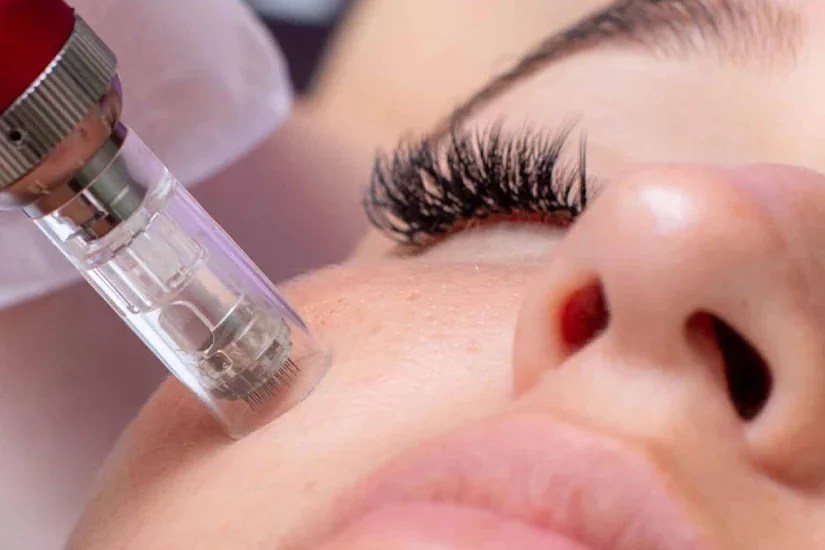
Microneedling has gained immense popularity in recent years as an effective treatment for skin rejuvenation, acne scars, wrinkles, and even hair loss. The procedure uses tiny needles to create micro-injuries in the skin, stimulating collagen and elastin production, which promotes healing and a youthful appearance. With the rise of at-home microneedling devices, many are wondering whether they should stick with professional treatments or try DIY microneedling at home.
In this blog, we’ll explore the key differences between at-home microneedling and professional microneedling, the benefits and risks of each, and what you need to know before choosing the best option for your skincare routine.
What is Microneedling?
Microneedling, also known as collagen induction therapy (CIT), is a minimally invasive treatment designed to improve the appearance of the skin by triggering its natural healing process. This is achieved by rolling or stamping tiny needles into the skin to create controlled micro-injuries. These small punctures stimulate collagen and elastin production, which helps in healing scars, reducing fine lines, improving skin texture, and promoting a radiant glow.
While the basic principle remains the same, there are significant differences between professional microneedling treatments and at-home devices.
Professional Microneedling: Why It’s More Effective
Professional microneedling is performed by licensed dermatologists, estheticians, or cosmetic surgeons who have extensive training and use high-grade, FDA-approved microneedling devices. Here’s why professional microneedling is often more effective:
1. Depth of Needle Penetration
- Professional Microneedling: The needles used in professional treatments are longer, usually between 0.5 mm to 3 mm in depth. This allows them to penetrate deeper layers of the skin, which leads to more significant collagen production and better results, especially for issues like deep acne scars and wrinkles.
- At-Home Microneedling: Most at-home devices are designed with shorter needles, typically no longer than 0.5 mm. This means they can only penetrate the surface layers of the skin (the epidermis), which limits their effectiveness in addressing deeper skin concerns.
2. Customization and Expertise
- Professional Microneedling: Licensed professionals can customize the treatment based on your specific skin type, concerns, and goals. They are trained to adjust the depth of the needles, the pressure applied, and the frequency of the treatments for optimal results. Additionally, professional treatments often combine microneedling with other therapies like PRP (Platelet-Rich Plasma) or serums for enhanced results.
- At-Home Microneedling: At-home devices are not customizable. They are generally one-size-fits-all, which means you may not get the targeted treatment your skin needs. Moreover, without the expertise of a professional, there’s a higher risk of incorrect application, which could lead to poor results or even skin damage.
3. Use of Professional-Grade Devices
- Professional Microneedling: Clinics and spas use high-quality, FDA-cleared devices with advanced technology that ensures the needles are sharp, precise, and sterile. This minimizes the risk of infection and ensures maximum effectiveness.
- At-Home Microneedling: At-home rollers and devices are often lower quality, with needles that can become dull or uneven with repeated use. Dull needles can tear the skin rather than creating clean punctures, leading to irritation, infection, or poor results.
4. Safety and Sterilization
- Professional Microneedling: Licensed professionals adhere to strict hygiene and safety protocols, using sterile tools and ensuring a clean environment. This drastically reduces the risk of infection and complications.
- At-Home Microneedling: Maintaining proper sanitation at home can be challenging. If the microneedling device isn’t thoroughly cleaned after each use, bacteria can accumulate, which increases the risk of infections and breakouts.
5. Results and Effectiveness
- Professional Microneedling: Because professionals can reach deeper layers of the skin, the results are often more noticeable and long-lasting. Professional treatments are ideal for addressing deep wrinkles, severe acne scars, stretch marks, and more.
- At-Home Microneedling: At-home devices are more suitable for maintaining skin health, improving surface-level texture, and enhancing the absorption of skincare products. However, they are not as effective for deeper issues like significant scarring or wrinkles.
At-Home Microneedling: Convenience with Caution
While professional microneedling offers numerous advantages, at-home microneedling has its place, particularly for those looking for more affordable and convenient options. However, it’s important to be aware of the limitations and risks.
1. Suitable for Surface-Level Issues
- What It’s Good For: At-home microneedling is best suited for improving the skin’s texture, minor hyperpigmentation, and enhancing product absorption. When done correctly and with a high-quality device, it can also help improve skin tone and overall radiance.
- Limitations: At-home microneedling is not ideal for treating deep scars, severe acne, or pronounced signs of aging. The shorter needle length means it cannot penetrate deeply enough to significantly boost collagen production in the dermis.
2. Frequency of Use
- At-Home Frequency: Due to the shorter needle length, at-home microneedling can be done more frequently than professional treatments. However, it’s essential not to overdo it, as too-frequent use can cause irritation, inflammation, and skin damage.
- Professional Treatments: Professional microneedling sessions are typically spaced 4-6 weeks apart, allowing the skin enough time to heal and regenerate between sessions.
3. Potential Risks
- At-Home Risks: Without proper knowledge or technique, at-home microneedling can lead to infections, skin irritation, hyperpigmentation, or damage, particularly if the device isn’t sanitized properly or if the needles are dull.
- Safety Precautions: Always follow instructions carefully, ensure your device is sterile, and avoid sensitive areas like the eye area.
Choosing Between At-Home and Professional Microneedling
So, which option is right for you? It depends on your skincare goals and concerns.
- Opt for Professional Microneedling if:
- You’re looking to treat deep acne scars, wrinkles, or stretch marks.
- You want customized treatments that address specific skin concerns.
- You prefer a safer, more controlled environment with expert oversight.
- Consider At-Home Microneedling if:
- You’re looking for a more affordable and convenient way to maintain your skin.
- You’re targeting surface-level concerns like texture or minor pigmentation.
- You’re already familiar with proper microneedling techniques and aftercare.
Final Thoughts
Both at-home and professional microneedling have their benefits, but it’s important to weigh the risks and rewards before deciding. While at-home devices are more convenient and affordable, professional treatments deliver more significant and longer-lasting results, especially for more serious skin concerns.
If you’re unsure, it’s always a good idea to consult with a skincare professional who can guide you on the best treatment for your skin type and goals.
Looking for professional microneedling services in Redondo Beach? Contact Essence Beauty Spa. Our experienced team provides expert microneedling treatments tailored to your unique skin needs, helping you achieve glowing, youthful skin safely and effectively.
 JUST AMONG
Leave a comment